

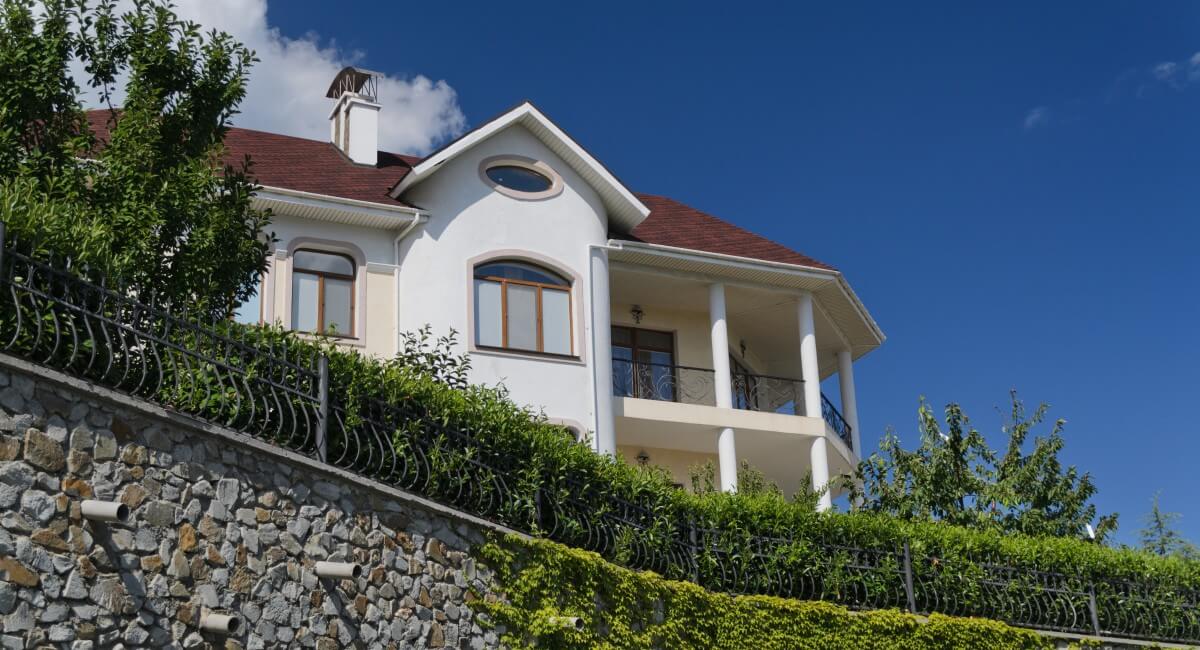
There are countless considerations to keep in mind when deciding whether to make an offer on a home. Many buyers only focus on the house itself, but the land the home sits on is just as important.
One common landscaping feature that you may see as a prospective buyer is a retaining wall. These structures offer a lot of benefits, especially if the land is sloped. However, they can also cause some serious problems if they’re not cared for correctly.
If you’re thinking about buying a house with a retaining wall, you should understand how the wall works, symptoms of a failing wall, and why the collapse of the wall can be so harmful.
What Are Retaining Walls?
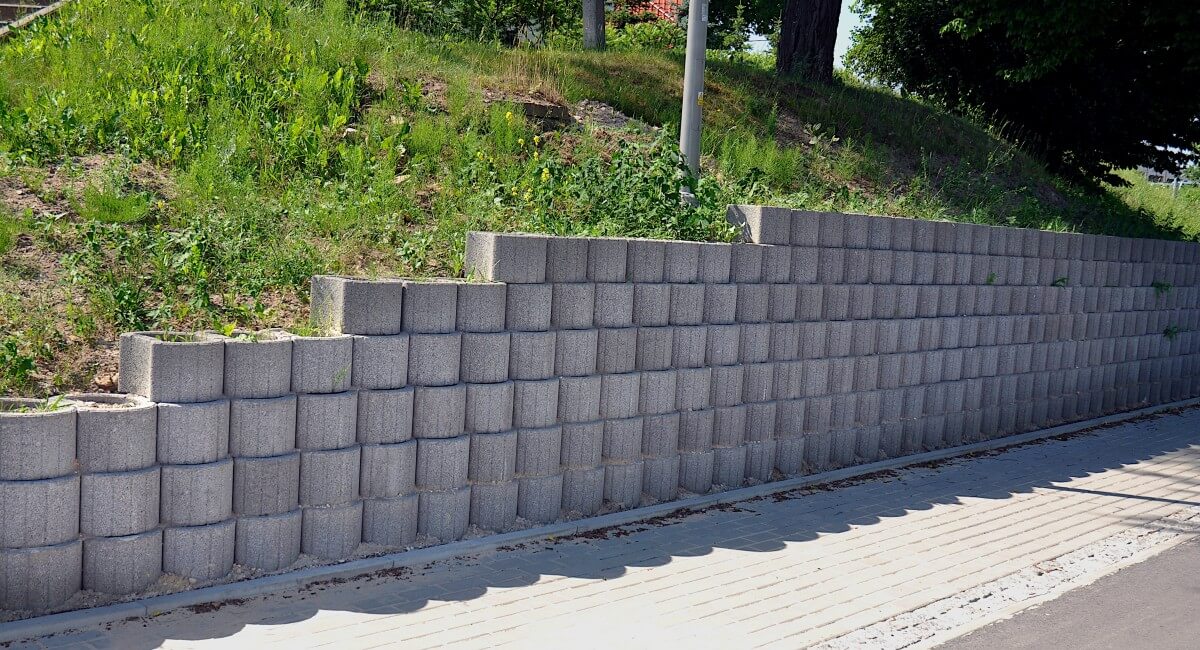
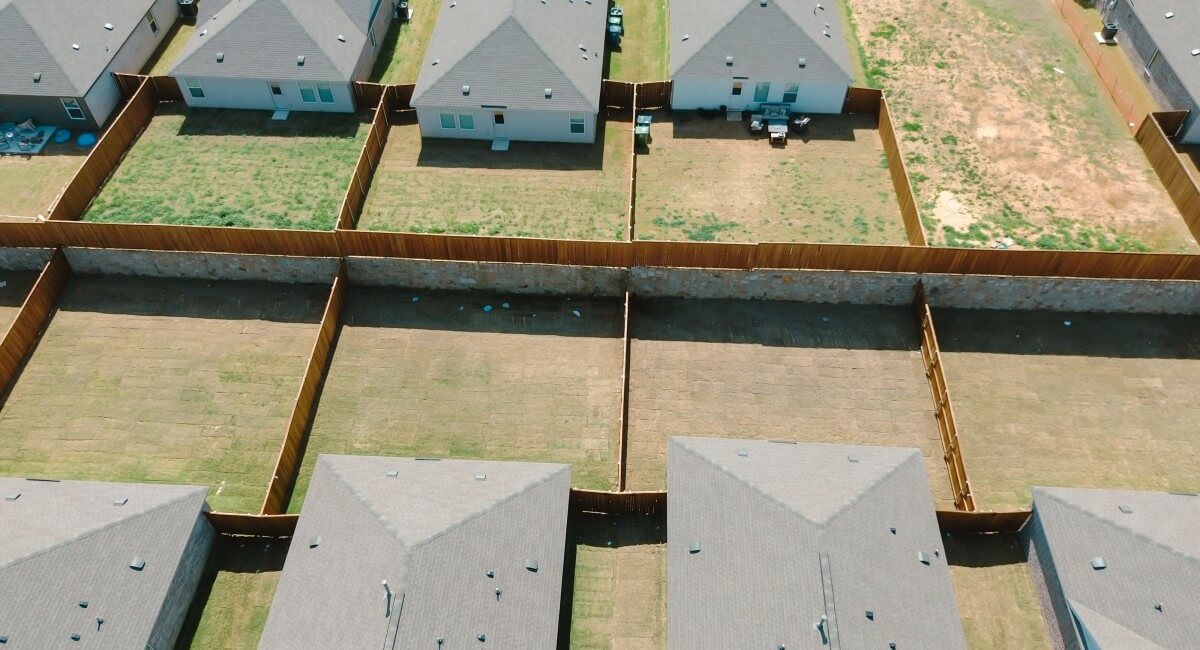
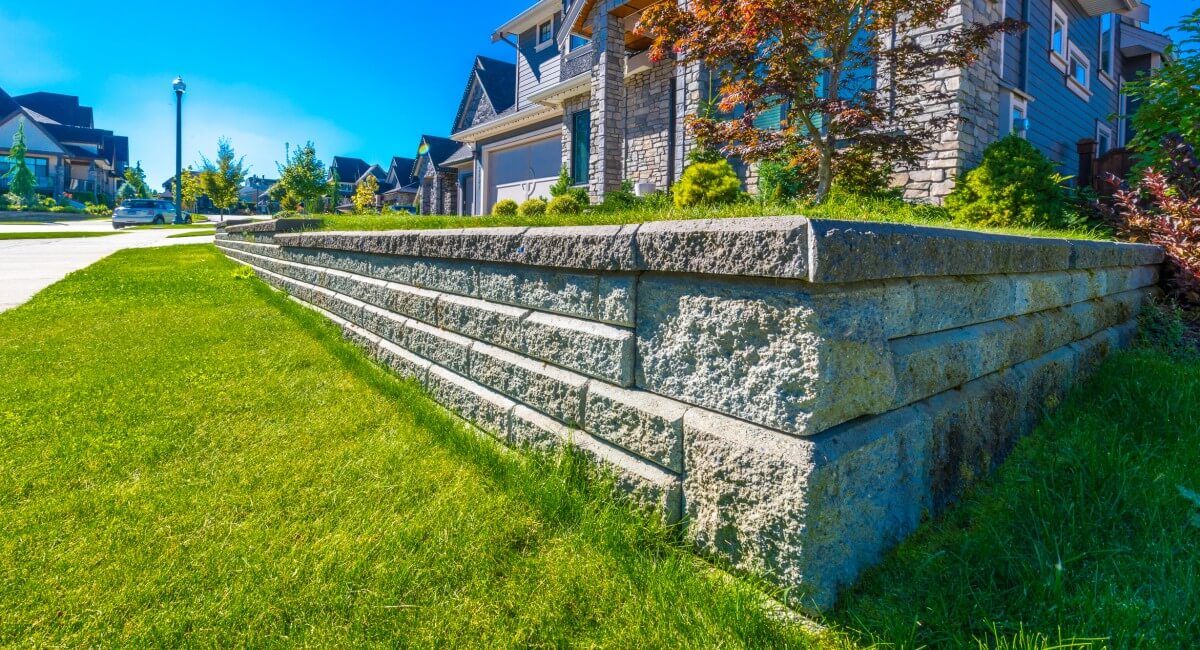
A retaining wall is a landscaping feature that turns sloped ground into multiple level tiers. Instead of a gradual slope, the retaining wall creates an upper flat surface with a drop-off point to a lower flat surface.
The wall itself is carefully engineered to hold back the soil. On some residential properties, retaining walls mostly serve an aesthetic purpose. In other cases, though, retaining walls are needed to prevent erosion, flooding, or other problems.
When Retaining Walls Are Needed
Retaining walls are commonly used to improve sloped yards. On a steep incline, rain can wash away the soil over time, causing damage to the landscaping. The retaining wall levels out the ground, preventing erosion and soil degradation.
Not only does this protect the land, but it also makes lawns more functional. The leveled surface can be used as a garden, patio, or simply a green space to enjoy.
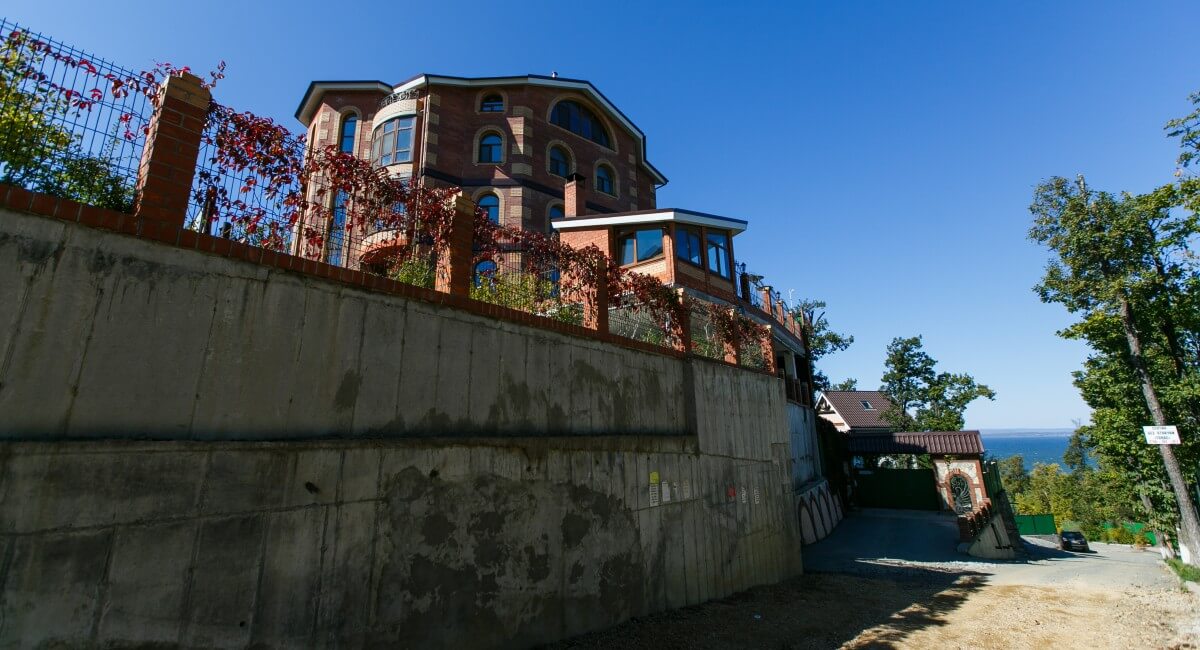
Retaining walls can also be built near the foundation of a house that’s built on sloping ground. This helps to prevent erosion and water damage to the foundation, which could have devastating consequences for the structure of the house.
Signs of Problems With a Retaining Wall
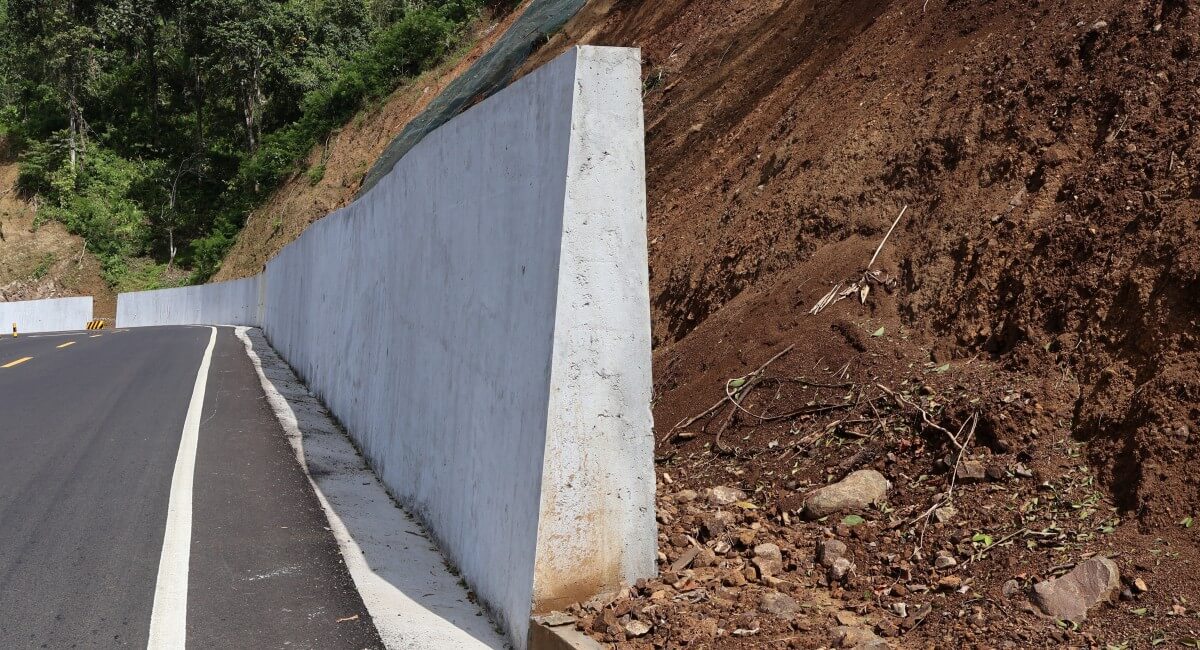
Retaining walls are built to withstand the pressure of the soil on sloping ground. They need to be constructed at a specific size and angle and with the right materials to stay secure.
If you’re considering buying a property with a retaining wall, it’s important to recognize the signs that the wall is failing. Acting quickly to repair the wall can prevent a much more costly problem.
The following are some of the most noticeable signs that a retaining wall is weakening or collapsing:
Leaning
Most retaining walls are built with a slight backward tilt so that they lean in the direction of the hill. If the wall starts to lean outward away from the hill, the soil behind the wall may be putting too much pressure on the structure.
Bulging
A wall that bulges out in one spot is probably experiencing an unequal distribution of pressure. If the wall fails in this one area, the rest of it could quickly collapse, too.
Cracks
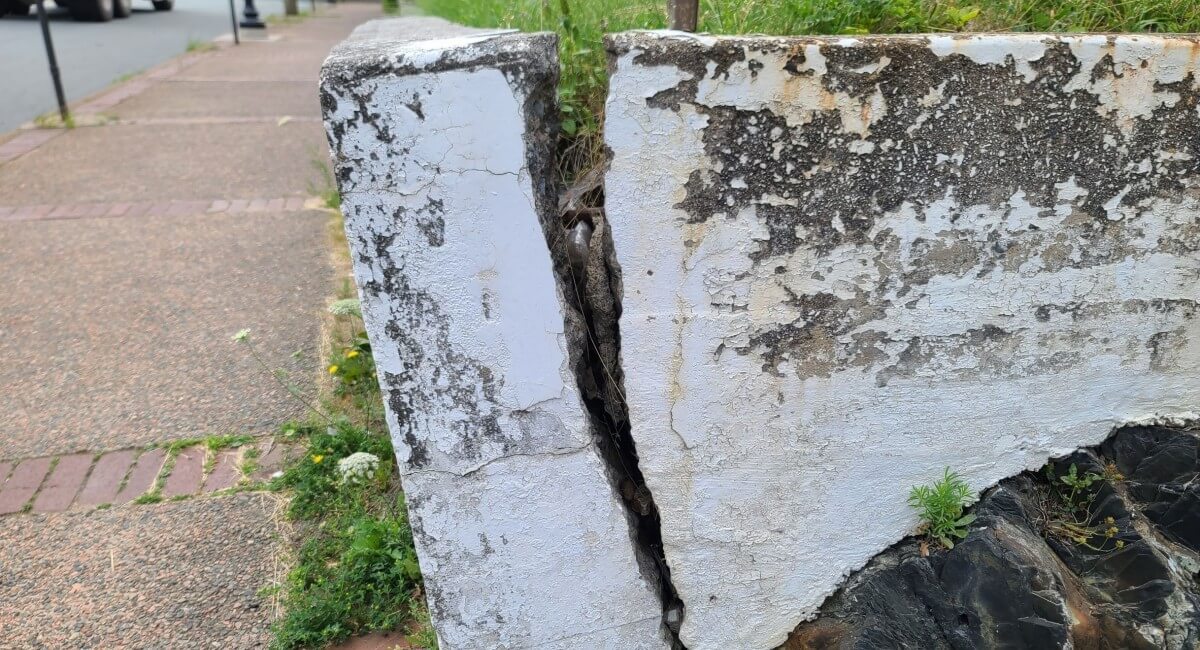
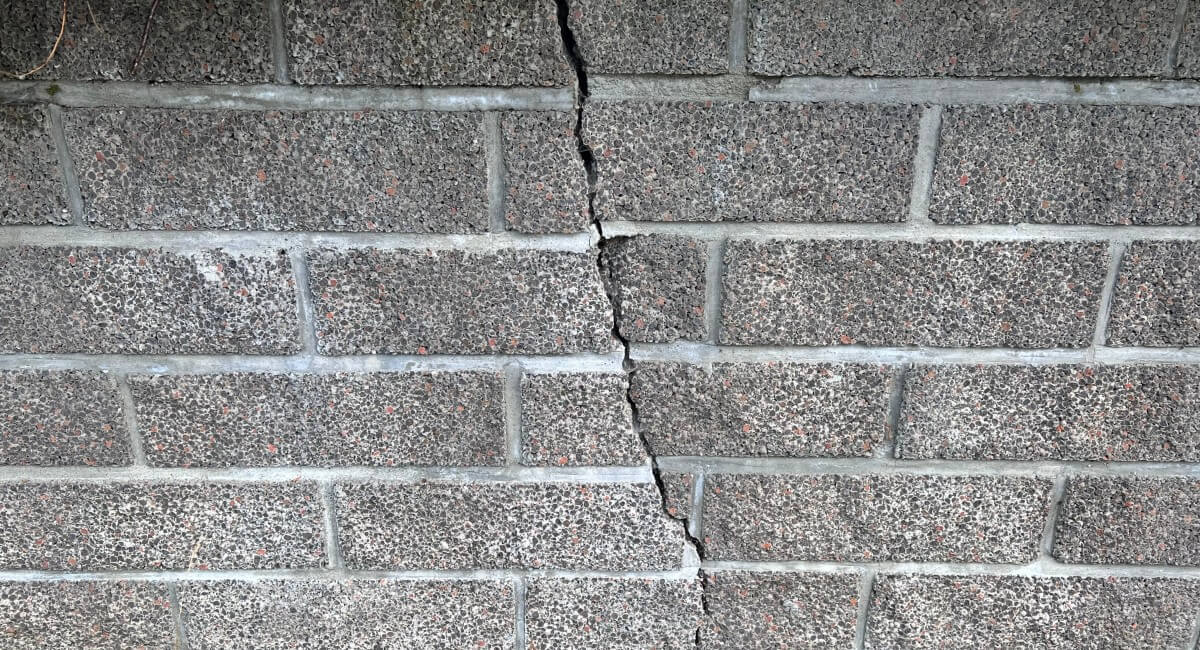
Large, vertical cracks in the retaining wall are a symptom of a structural problem. The ground underneath the wall may have settled unevenly, or the soil may be putting pressure on the wall from behind.
Drainage Failure
Most retaining walls need a drainage system to prevent rainwater from building up behind the wall and putting pressure on the structure. If the drainage system isn’t working correctly, you might see water seeping through cracks in the wall or pooling around the base or top of the wall.
Gaps
Excess pressure from soil or water can cause the wall’s stones or blocks to pull apart. You may also see a gap open up between the wall and adjacent structures. This is a major warning sign that the wall is weakening and could collapse.
What to Consider When Buying a Property With a Retaining Wall
A retaining wall can be a pretty feature on your property and can make your lawn more comfortable and usable. However, like any engineered landscaping feature, it needs proper care to prevent a serious ecological headache.
Here are some considerations to keep in mind before you make an offer on a property with a retaining wall:
Aesthetic vs Functional Uses
Most retaining walls serve both an aesthetic and practical purpose. A small retaining wall on a residential property might be purely cosmetic, though. In this case, you may not need to be so watchful for signs of the wall failing.
During the showing, it’s important to ask about the purpose of the retaining wall. If the wall is necessary for the health of the land, be prepared to take on the preventative maintenance that will keep it safe and sound.
Upkeep and Repairs
Retaining walls require routine maintenance to stay in good working condition. You should remove weeds from the wall, regularly check the drainage system, and remove snow and ice from the wall in the winter. If you notice any signs of failure, you should have a professional inspection right away.
Ownership
Sometimes, ownership over the retaining wall can be disputed. If the wall sits near a property boundary, it may not actually be your responsibility to maintain. You may need a land survey to confirm the ownership of the wall.
If you live in a neighborhood with an HOA, the association could also have partial or full responsibility for the care of the retaining wall. Look into this before you make an offer so that you know exactly what will be expected of you if you purchase the property.
Risks of Failure
Failed retaining walls can cause huge problems for your property. If the land slopes toward your house, the collapsed wall could cause water to flow toward the foundation. You might also experience standing water in your yard or erosion under your driveway or walkways. Any other landscaping features around the wall can be damaged, too.
Impact on Future Landscaping Plans
The presence of a retaining wall could impact your future landscaping projects. Certain plans may not be feasible if your property has a retaining wall, and removing the wall can be a costly, risky, and stressful venture. If you’re considering redoing the landscaping on the property, consult with a lawn care professional to make sure the wall won’t disrupt your plans.
Managing a Retaining Wall on Your Property
Retaining walls are fairly common fixtures that can help make lawns safer and more functional. While some of them are only aesthetic, many of them serve an important structural purpose. Keeping them in good condition is essential for the health and well-being of your property.
A retaining wall doesn’t have to be a deal-breaker when deciding whether to buy a home, but you should proceed with caution if you notice any signs that the wall is failing. Repairing a collapsed wall is a costly job, so consider getting a specialist’s opinion before you make an offer.